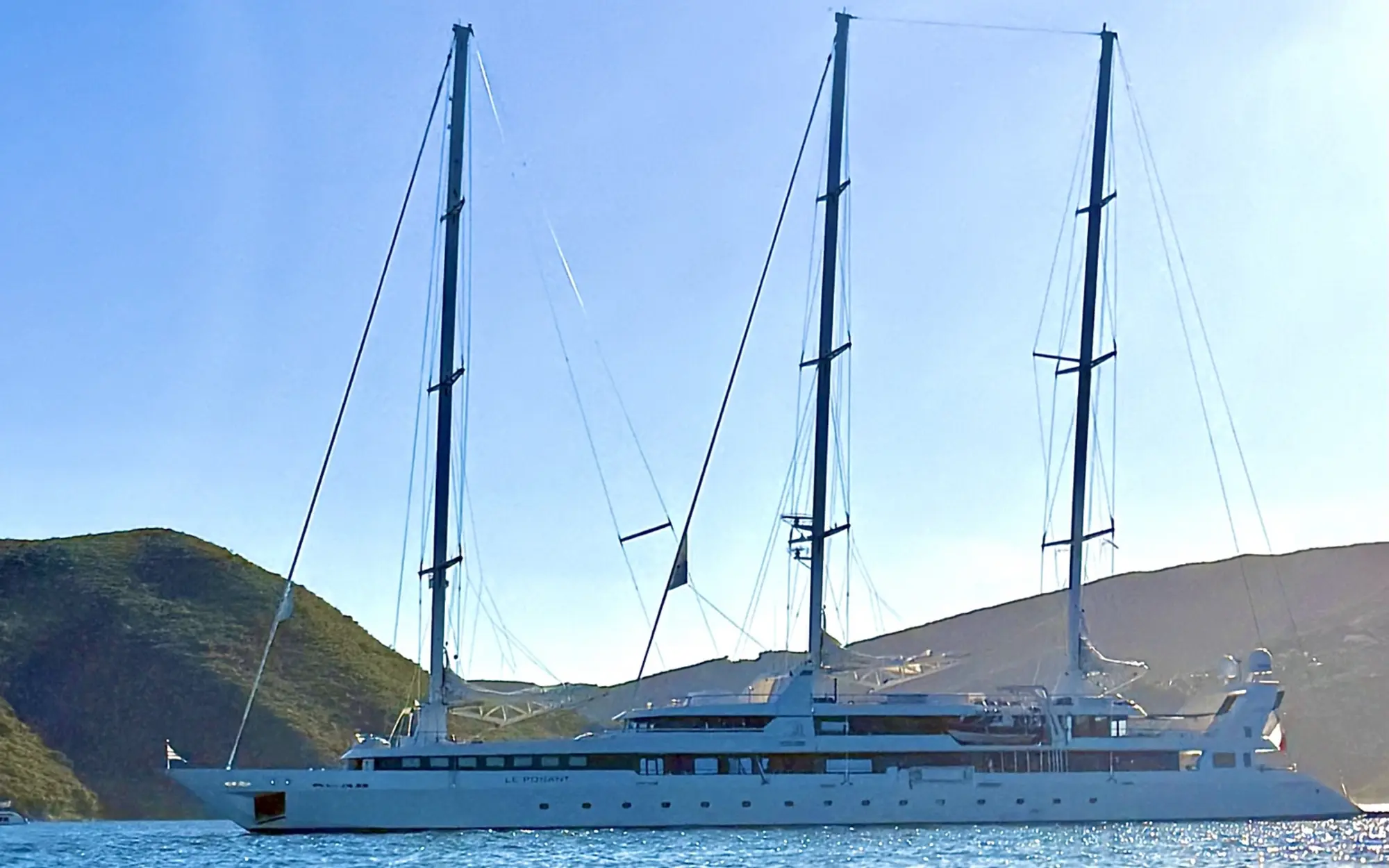
The useful comparison is not luxury versus mass market. It is intimacy and access versus breadth and energy. Opal’s view: make the trade-offs visible. A strong decision is the one whose strengths matter to you and whose compromises you understand.
OPAL'S VIEW
Imagine a sea day—then choose scale.
Would you rather have a quiet deck and familiar faces, or many venues and choices? That answer filters lines faster than any star rating, and it should sit beside fare maths and personality fit.
What small ships do well
They can feel personal, reduce queuing and reach ports unavailable to larger vessels. The sea and destination remain central. In Opal’s Anti-Brochure framing, soft-luxury intimacy often lives in the roughly 700–900 guest band—Regent Grandeur / Splendor around 744–746, Silversea Nova-class around 728, Explora around 922—rather than in a 2,700–3,000 guest premium megaship.
Small-ship luxury still varies by mood: Regent is quiet country-club; Silversea is Italian-leaning and a little more social, with expedition options under the same brand. Compare them—do not assume “small” means identical evenings.
What large ships do well
They offer a wider range of dining, entertainment, family facilities and spaces. The ship can become the destination. That is a feature when the brief is family spectacle, first-cruise options, or a resort-at-sea week in the Caribbean.
Celebrity Edge-class shows the nuance: design-led and quieter than Carnival or Royal Caribbean, yet still about 2,900 guests—premium scale with soft-luxury styling. Virgin sits in midsize-mega adults-only territory: stylish and lively, not a suite yacht. Pricing either as if it were a 700-guest all-inclusive ship is how wrong-fit bookings happen. See the Anti-Brochure.
A practical scale ladder
- ~700–900 guests: ultra-luxury intimacy, destination-first weeks, shorter queues—Regent, many Silversea classics/Nova, Explora-class peers.
- ~2,000–2,800 guests: midsize / adults-only contemporary—Virgin-scale energy with included dining and lively evenings.
- ~2,900+ guests: premium and contemporary megaships—Celebrity Edge, Royal Caribbean neighbourhoods, Carnival pool-deck energy.
Numbers are approximate planning frames from public profiles we cite elsewhere on the site; exact capacity varies by ship and configuration.
The question to answer
Imagine a sea day. Would you rather have a quiet deck and familiar faces, or many venues and choices? Then ask whether the itinerary needs a ship that fits smaller harbours—or whether the ports on your list welcome larger vessels anyway.
Expedition muddies the binary: capability and zodiac access can matter more than suite count. If landings are the point, read expedition readiness and compare expedition products rather than forcing an ocean megaship into a polar brief.
Tie scale to personality and fare
Scale without personality is incomplete—use choose a cruise by personality. Scale without fare honesty is also incomplete—use compare cruise fares. Large premium packages can approach luxury spend while keeping megaship crowds; small luxury fares buy intimacy and a short extras list when you use the inclusions.
A useful way to decide
- Write down the experience you want in one sentence.
- Name the two details that would most improve it.
- Name the compromise you are willing to accept (fewer restaurants vs fewer queues; more ports vs more onboard options).
- Compare complete costs and real travel time for one small-ship and one large-ship option when both are credible.
- Keep one credible alternative until the final decision.
How Opal approaches it
We begin with your dates, pace, previous favourites and dislikes. Then we compare the parts that genuinely change the experience—including which hull is actually assigned to your sailing—and arrange the agreed details. Continue in the cruises library, the compare hub, or plan my trip.
Ports, tenders and access
Smaller ships can call where larger hulls tender or skip entirely. That matters in parts of the Mediterranean, Norway’s smaller communities, expedition coasts and some Caribbean yacht-scale harbours. If your dream ports are megaship hubs, large-ship access may be fine—and you may prefer the onboard range.
Always check the specific itinerary’s tender days. A “small ship” week with daily tenders in choppy weather can frustrate guests with mobility concerns; a large ship docked at a purpose-built terminal can be easier. Accessibility details must be confirmed for the sailing—not assumed from brand marketing. See also accessibility and luxury travel.
Families, solos and celebration weeks
Families who want parallel activity usually need large-ship breadth. Solos sometimes prefer Norwegian-style studio products or rivers; others prefer small luxury where conversation starts easily. Celebration weeks split: some couples want Explora/Regent intimacy; others want Virgin energy without children.
Occasion should change the decision, not only the cake. A honeymoon brief that needs hush is a different ship from a birthday week that needs nightlife—even on the same route.
Expedition is not “small ship luxury with parkas”
Expedition ships can be small yet operationally different: mudrooms, zodiac schedules, lecture rhythms, weather cancellations. Judging them with ocean-suite criteria misses the point. If Antarctica, Svalbard or remote coasts are the goal, start with expedition readiness and capability, then comfort—not the other way around.
Silversea’s dual classic/expedition offering is useful when you want one brand relationship across different trip types; it is not a reason to pretend a classic Mediterranean week and a polar landing week feel the same.
Decision checklist before you deposit
- Sea-day preference: quiet deck or venue menu?
- Port list: does it require a smaller hull?
- Group mix: one personality or parallel needs?
- Fare: are you paying for intimacy, or for options?
- Alternatives: one credible small-ship and one large-ship option priced completely?
Questions worth asking
Is a small ship always more luxurious?
No. The useful comparison is intimacy and access versus breadth and energy—not luxury versus mass market. A large premium ship can feel polished; a small ship can feel simple. Scale is not a star rating.
What do small ships do well?
They can feel personal, reduce queuing and reach ports unavailable to larger vessels. The sea and destination remain central. Many ultra-luxury houses sit around 700–900 guests.
What do large ships do well?
They offer a wider range of dining, entertainment, family facilities and spaces. The ship can become the destination—useful for families and first cruises that want options on sea days.
Where do Silversea, Regent, Celebrity and Virgin sit?
Regent and many Silversea classics/Nova-class ships are small-ship luxury scale. Celebrity Edge and Virgin sit in large / midsize-mega territory with very different moods. Compare atmosphere, not only passenger count.
How should I decide?
Imagine a sea day. Would you rather have a quiet deck and familiar faces, or many venues and choices? That answer is often more useful than a brochure adjective.
When should I start planning?
Start early when a specific room, small ship, guide or peak-season date matters. Flexible large-ship sailings can often be shaped later.
Details, operating policies, fares and inclusions can change. We verify the exact property, ship, itinerary and terms for your dates before you book. Illustrative budget ranges below, where shown, are planning frames only—not live quotes.